
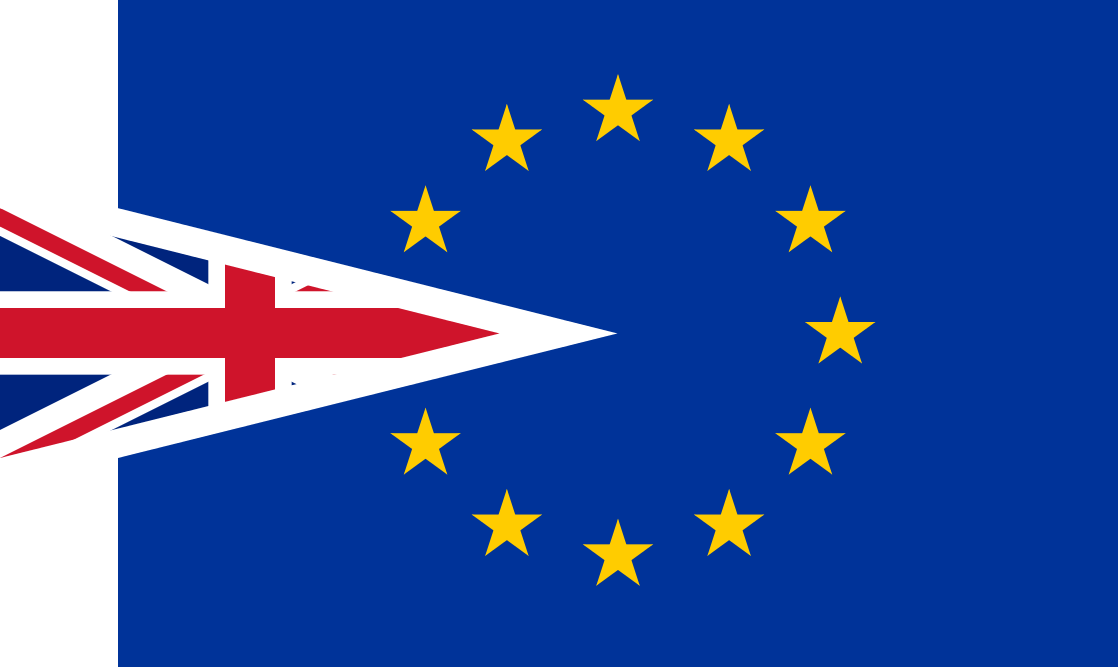
Britain’s exit from the European Union

BrExit
By Rlevente [CC BY-SA 4.0], via Wikimedia Commons

In recent days we have seen Great Britain vote to withdraw from the European Union. While it is a significant event in itself, it perhaps points to a global trend of fragmentation, with large countries or unions splitting into smaller countries. These smaller countries are often ethnically different from other component countries that made up the original country.

The European Union (EU) started in 1951 as the European Coal and Steel Community which gradually extended its remit to cover almost every aspect of community in Europe. The UK was not part of the original member states but partially joined in 1973. In 1975 there was a referendum on whether or not the UK should leave the EEC or (then) Common Market. The vote was to remain part of the EEC.

EEC
By Eec2016 (Own work) [CC BY-SA 4.0 (http://creativecommons.org/licenses/by-sa/4.0)%5D, via Wikimedia Commons

It’s fair to say that the 1975 referendum was a non event. People of course did not know what the future would bring and the aims and purposes of the EU were, I believe, not understood. I saw no particular benefit and I was proved correct by events. (I’ve just realised the pun hidden in that – in fact the vote was not ‘non’ but ‘oui’).

Would trade between member countries have suffered if the UK had not voted in 1975 to continue to be part of the EEC? It’s impossible to say. Looking through the list, there is nothing there that really strongly calls out to me, and most of the items could have been achieved regardless of whether or not the UK remained or not.

EU Referendum Results 2016
By Brythones (Own work) [CC BY-SA 4.0], via Wikimedia Commons

From the perspective of countries outside of the EU, the EU is a disadvantage. The EU has a big hand in all trade agreements, and countries like Australia and New Zealand can’t target their traditional markets in the UK.

One of the big advantages of the EU is supposed to be the freer travel between member countries. This sounds great on paper, but passports are mostly still needed when people travel between countries, even though visa are not needed. While there is closer cooperation between member states on matters like drug trafficking, this will be offset to some extent by the freer travel between states.

Drugs
Illegal drugs

Some people claim that the freedom of travel between member countries means that immigrants find it easier to travel between member countries and from the UK’s point of view this is all bad. An immigrant could obtain a passport in one country and immediately be able to travel to the UK for example.

It’s difficult to quantify some of the so-called advantages. For instance, being part of the EU supposedly provides greater influence in world affairs. However the leaders of countries outside the EU do not in practise seem to meet with the leaders of the EU, instead meeting with representatives of the individual countries, and to outside countries, the EU typically appears to be a barrier to trade because of the huge amount of bureaucracy that surrounds anything to do with the EU.

Meeting
Meeting

When the UK removes itself from the EU, it will be able to deal directly with non-EU countries once more. Since the UK is one of the largest economies in the world, ranking sixth in GDP, it should have no difficulty forging favourable trade links with other countries. Even trade with EU countries should not be affected too much – as someone said, Mercedes Benz will still want to sell their cars into the UK.

If the split of the UK from the EU goes ahead as it seems likely to do, this may result in other countries deciding to exit. This is not surprising of course, but this referendum may ultimately result in the dissolution of the EU back into member states.
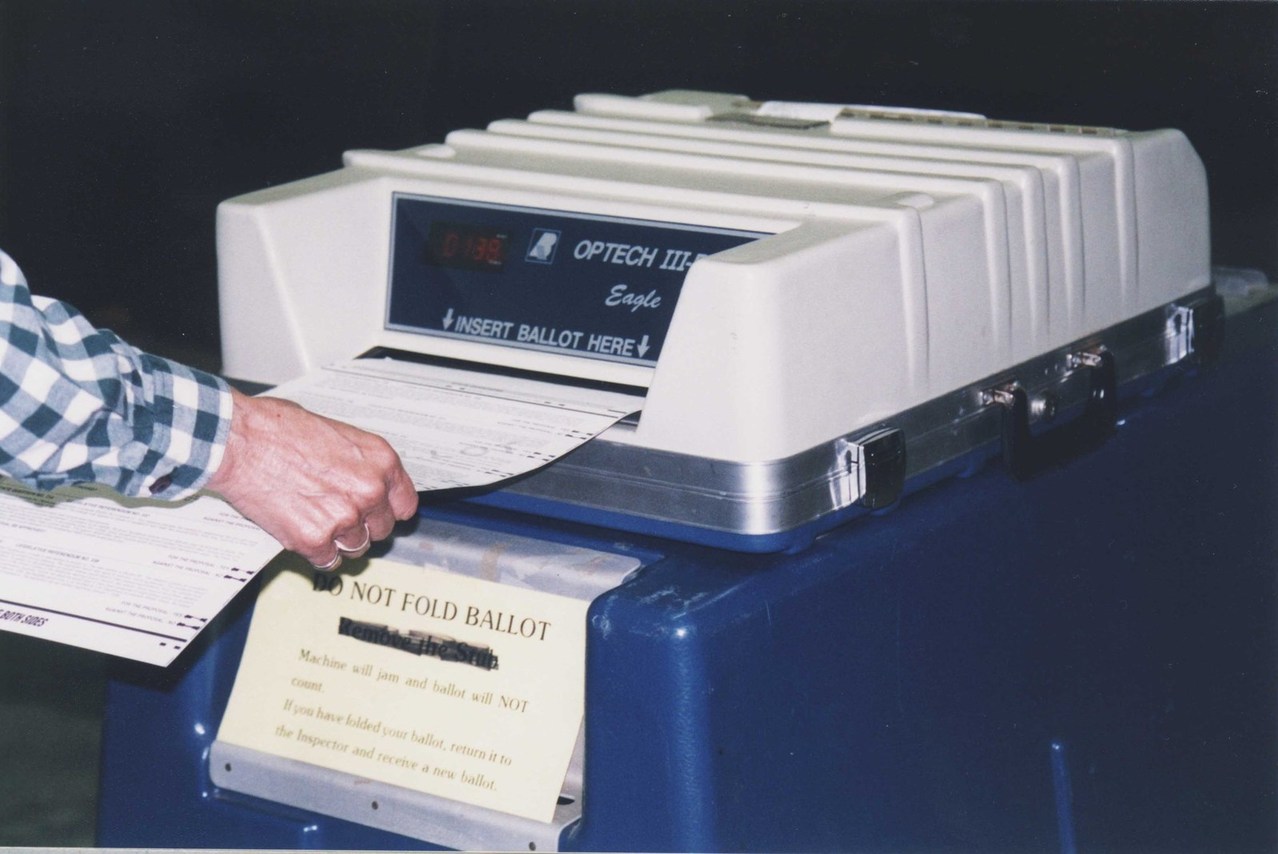
Ballot Box
Ballot Box

This follows a trend which seems to be gathering pace. In 1991 the former Soviet Union dissolved into its constituent states. In 1993 Czechoslovakia spilt into two states. In 2014 Scotland narrowly voted against independence from the United Kingdom. Potentially the USA could split into separate countries, with the biggest state, Texas, being the most likely to secede from the union. China, is a huge country and is another candidate for potential division.

The EU is a huge bureaucracy and even the Pope has warned that the rules and regulations are onerous. While there are many euro-myths, it can’t be denied that the EU rules and regulations tend to be wordy and overbearing, and it seems that they do not replace local rules and regulations but add to them.
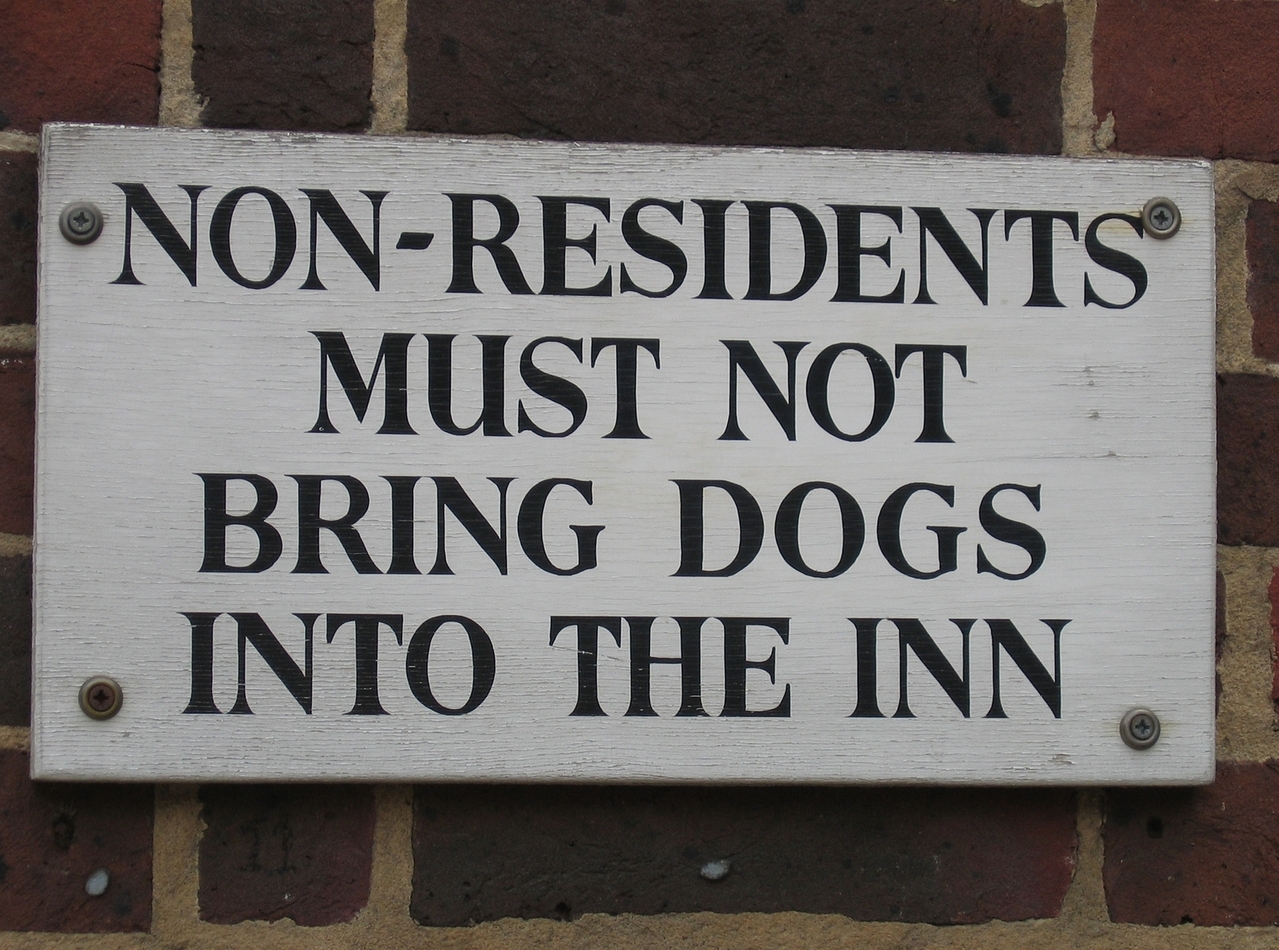
No Dogs in Inn
Rules and regulations

For instance, I was looking at Directive 2000/13/EC which relates to the labelling of foodstuffs. It runs to 36 pages and there are 9 amendments and one correction to the document. It is full of references and cross-reference and exceptions and special cases. One of the paragraph reads, in full, “Ingredients shall be listed in accordance with this Article and Annexes I, II, III and IIIa”.

Much of this verbiage is designed to protect the end consumer of course, and this is good, but I can’t imagine that the local butcher, or even a supermarket butcher, has read all the regulations relating to the way he labels his merchandise. Yet a provider can be in trouble if he/she doesn’t comply with these regulations as enforced and possibly modified by member governments.
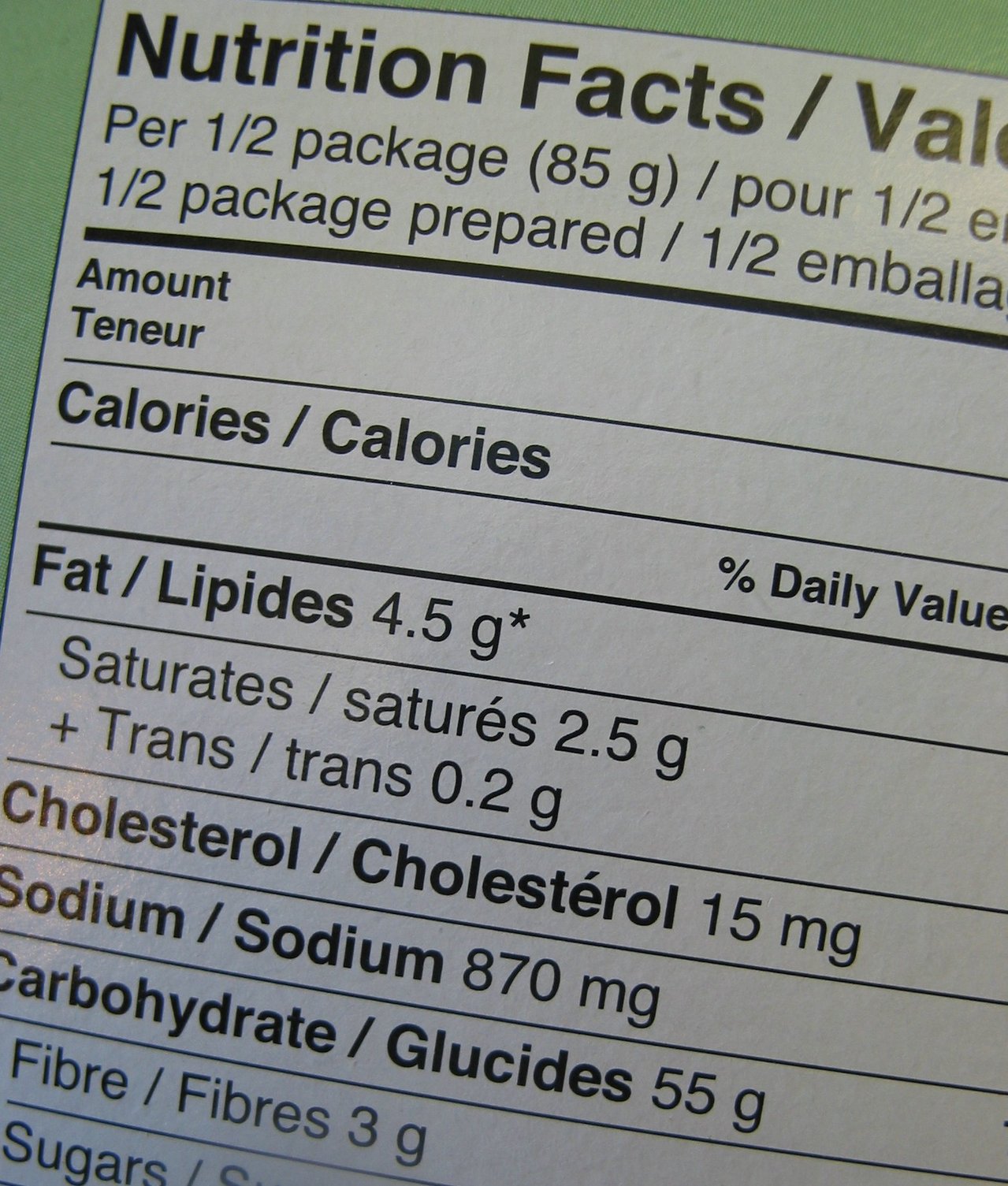
Food labelling
Food labelling

So, I think that Britain has done the right thing to start its withdrawal from the EU. It will cost a lot. Billions, over a number of years, but the price will be worth it. Scotland may decamp, but there were signs that that alliance was under strain anyway.

It’s a miracle though, that they decided to leave, as many people seem to be having second thoughts, even calling for a new referendum on the subject, with more than 2.5 million people signing a petition to hold one.  I can foresee a time when the 14th referendum on the subject is held and the question will be “Come on people! Make up your minds! Do we really, really want to exit the EU, or not? Please let’s make this the last time, OK?”
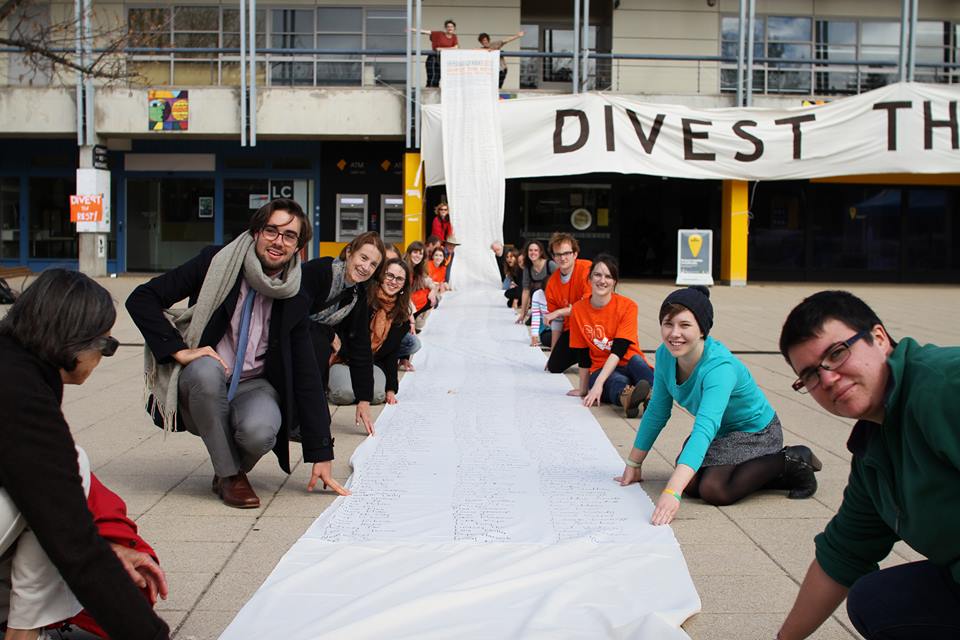
Petition
By Cafe cafes Cafe cafes (Own work) [CC BY-SA 4.0], via Wikimedia Commons

There is a distinct note of concern in the comments of the man in the street about the result of the referendum. One guy admits to have voted “Leave”, but says that he didn’t think his vote would matter, and that he is now very worried. I think that this is mere nerves and the burden of having made a scary decision, but I believe that they got it right. Others are happy with their decision.
Watching
Watching

Banding together

Flag ~ Romania, Roumanie
Flag ~ Romania, also by chance the Tawa colours.

Our local rugby team has made it to the final of a competition (they won!) and naturally supporters are getting ready for the final match. They are organising coaches to take people to the match and no doubt there will be a good turn out. This got me thinking about how humans like to form bands and groups and supporter groups.

I think that banding together is at heart a self-protection thing. A human who belongs to a group gets supported by the group and reciprocally supports the group himself. In many cases the group is in competition against other groups of humans for a scarce resource such as food or territory, or in the case of sport points on the board of the elusive trophy. There is a synergy when people work together.

A rugby union scrum between the British and Ir...
A rugby union scrum between the British and Irish Lions and the All Blacks. (Photo credit: Wikipedia)

It’s not always humans versus humans though. A group may be formed to overcome some physical difficulty or to provide something that an individual can’t provide or achieve by themselves. That’s why travellers form caravans to cross deserts and a group of individuals might be able to buy a bigger boat together than they could have bought alone and take turns using it. Musicians of all genres usually form groups, at least to get started.

Les Rolling Stones à l'Olympia Stadion de Müni...
Les Rolling Stones à l’Olympia Stadion de Münich, alors qu’une partie de la scène avançait dans la foule (Photo credit: Wikipedia)

Forming a group allows individuals to specialise – in a hamlet or village one person becomes the smith, another the baker, another the mayor and another the constable, each person his or her particular skills in the role.

The role of supporters is to encourage and assist but not to actually take part in the contest or enterprise, but sometimes the line is blurred. For example the coach and trainer might not take part in a game, but in some ways they are part of the team. The supporters on the sidelines, yelling encouragement and advice, are even less part of the team, but they can certainly help out, and they form a larger group surrounding the team.

English: Greece - Russia Euro 2008
English: Greece – Russia Euro 2008 (Photo credit: Wikipedia)

Sometimes, of course, two groups of supporters clash. This is generally agreed to be a bad thing, but if you take a step back and think about it, it is to be expected, but not encouraged. It is an unwritten but basic rule of sport that the conflict, physically at least, stay on the field of play. Non-physical conflict, such as chants, banners and team regalia, is permitted between opposing spectators and even encouraged. “Get behind the team” is a rousing call for supporters. No wonder the non-physical conflict fairly often becomes physical.

The biggest ‘teams’ are countries, which strike me as being somewhat artificial in this day and age. Can one supergroup really speak for people who might be thousands of miles away? There may be an aboriginal population in a country that has far more inhabitants of immigrant origins, and these people may not consider themselves to be truly part of the nation in which they reside. Some nomadic people may travel through several countries, and may not consider themselves to be a part of any of them. The sheer size of modern countries almost invites the formation of ethnically or geographically ‘seperatists’ groups.

Matthes -- Separatists at Coblenz  (LOC)
Matthes — Separatists at Coblenz (LOC) (Photo credit: The Library of Congress)

Mankind probably started out as family groups, and were probably nomadic. When they settled down (perhaps as a result of developing agriculture) it would seem natural to settle down in larger groups, maybe two or three families to provide defence against those still travelling around. As mankind spread and became more numerous these little settlements would grow into towns, with inhabitants specialising into roles like the smith or baker mentioned above.

At some stage strong leaders became feudal lords. This appears to have been common, but was possibly not universal. Eventually the lords and barons gave their allegiance to a king or overlord and a number of small (by current standards) states were formed, sometimes based around a city as in Sparta in Greece or sometimes based in a geographical area. The debatably mythical Arthur around the 5th or 6th centuries in Britain was supposedly king of Britain, although at that time there were probably several kingdoms in what is now Britain, and Athelstan is usually considered the first true English king.

English: King
English: King (Photo credit: Wikipedia)

The nations of the world are these days largely static in shape and size, but they do still change now and then. Czechoslovakia split apart in 1993, and the Soviet Union (USSR) formed in 1922 and split up in 1991.

The next logical step in this process, one would have expected, would be the formation of a global entity, grouping the whole of mankind into one huge group, but this has not happened. There are a number of global entities, notably the United Nations, but they tend to concentrate on specific areas of endeavour rather than being the World Government that would have been expected. There are ‘blocs’ of similarly inclined countries but these also don’t have the spread of activities that would make them a ‘super-government’.

English: Global map of noted supranational uni...
English: Global map of noted supranational unions. Based roughly upon http://www.towardsunity.org/. (Photo credit: Wikipedia)

It may be that the only thing that would cause the formation of a super-group encompassing all of humanity would be an encounter with hostile and destructive aliens, but the chances of that would be very small.

Take me to your leader. iPhone 3GS
Take me to your leader. iPhone 3GS (Photo credit: Kimb0lene)